
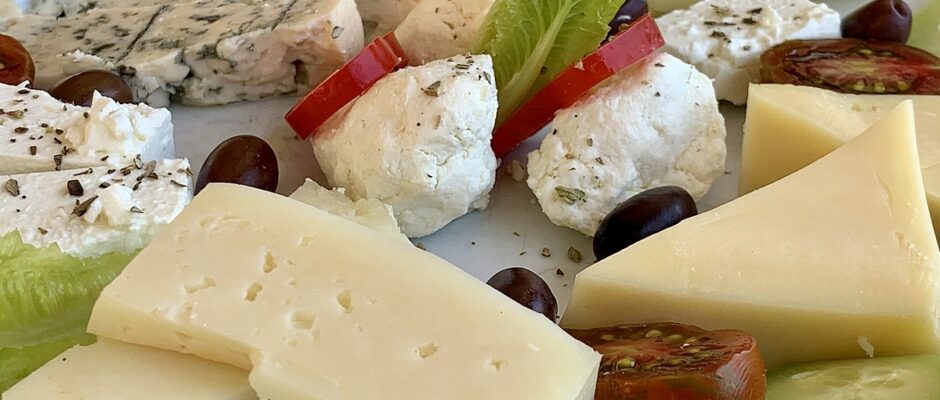
For most of us, Shavuot is also a festival of cheeses, pies, and pastries. Those who can't do without meat will be delighted by the change brought by creamy pasta and refreshing salads.
Dairy meals have a "stigma" of being light meals, so some people think they are meals that contain fewer calories than a "heavier" meat meal.
This assumption gives the impression that one can celebrate and eat more cheese. The reality is, of course, a little more complex: the number of calories is determined by the quantity consumed, the fat content of these products (be careful, some cheeses have more than 30% fat), the composition of the meal, and more will all be factors in avoiding gaining too much weight after the celebration.
Choose low-fat cheeses for Shavuot cooking and baking. Instead of 30 1/3 tbsp of cream, you can use cream with 9-10 1/3 tbsp of fat.
This also applies to cheeses with up to 5 percent fat. This way, you can reduce your fat content and calorie count, making your meal healthier.
Sauces and seasonings
Try to choose a fresh and refreshing seasoning of rosemary, basil, garlic, parsley and dill and rely less on ready-made sauces that contain large amounts of sugar and salt.
Try using dairy-based sauces rather than cream-based ones, and try seasoning them yourself. This way, you can control the amount of salt, oil, and sugar they contain.
Another tip: You can dilute the cream sauce with milk and thus reduce the calorie value of the sauce.
The green board
Make sure that on the eve of Shavuot, there is a wide variety of fresh salads and chopped vegetables of all kinds and shades, such as zucchini, peppers, eggplant, tomatoes, carrots, broccoli, cauliflower, and more. Vegetables are low in fat and calories and contribute to a greater feeling of fullness.
It's best to start the meal with a salad.
A winning dish
Make sure the plate also contains fresh vegetables, fill the plate after careful consideration so that you can enjoy all the treats you have planned.
Bring back from home
If you're invited to a meal and you know in advance that it's going to be difficult, bring a large salad for everyone. You have no control over what the hosts will prepare, but you do have control over what you bring. This way, you're guaranteed to have a dish for yourself (and for everyone else too).
Don't come hungry
There's no need to "fast" before the festive meal. Arrive the day before the celebration having eaten healthily and in a balanced way throughout the day, and haven't missed a meal because "there's a big feast." The goal isn't to arrive ravenous and eat more than planned. When we arrive feeling slightly hungry, we can control the portion sizes.
A delicious dessert
Usually, we want to try every dessert during the holidays and grab a bite here and there. This leads to uncontrolled eating and accumulating a significant number of calories. Take a small plate of your favorite dessert and savor it. And avoid snacking in between.
What are you going to drink?
Alcohol is an integral part of the festive season, and here too, moderation is key. Remember that each alcoholic drink contains approximately 150 to 200 calories, which exceeds the total calories in a meal.
Get back into your routine and start moving.
Even though everything went wrong for you, no disaster has occurred. It's just a meal, and these are just celebrations. The next morning, try getting up for a new routine, return to the familiar menu, go for a walk (instead of another meal), and don't get too angry with yourself.
If you also incorporate physical activity during the holidays, you can manage without gaining weight and still enjoy the festive meals. Happy Shavuot!
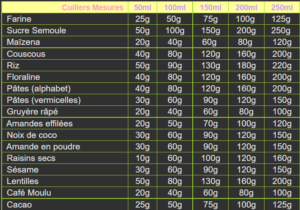
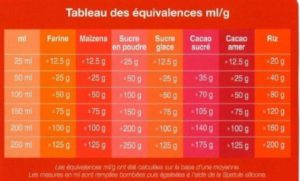
A cup corresponds to 250 ml when I mention "cup" in my recipes. Here are two tables that will help you with your conversions if you don't have a cup!
Find all our recipes in just one click!
Yule Log Recipes Dessert recipes Birthday cake recipes Halavi cake recipes Breakfast cake recipes Cookie recipes Recipes for oriental cakes Quick recipes Pie recipes Cooking recipes
No comments yet.